If you spend any time on social media, you have probably come across terms like “Ozempic face,” “Ozempic teeth,” or “Ozempic breath.” These catchy phrases have exploded alongside the popularity of GLP-1 medications such as semaglutide (Ozempic, Wegovy) and tirzepatide (Mounjaro, Zepbound), which are used to manage type 2 diabetes and weight loss.
None of these are official medical diagnoses. But, the symptoms behind the nicknames are real, and understanding what is actually happening in the body can help you manage them in a healthy way.
What’s Really Behind “Ozempic Face”
“Ozempic face” refers to a hollowed, sunken, or prematurely aged look that can appear after significant weight loss. The cause is not the medication itself, but the speed and amount of fat loss it can produce.
Your face has its own layer of fat sitting just beneath the skin, and that fat helps keep the face looking full and smooth. When someone loses a significant amount of weight quickly, the face often loses volume before the skin has time to adjust. Skin that once stretched over a fuller face can be left looser than before, which shows up as sagging, more visible wrinkles, or hollow cheeks and temples. This is the same basic process that can happen after major weight loss from any cause, including bariatric surgery. GLP-1 medications have simply made rapid weight loss more common, which is why more people are noticing it in the mirror.
The Story Behind “Ozempic Teeth” and “Ozempic Breath”
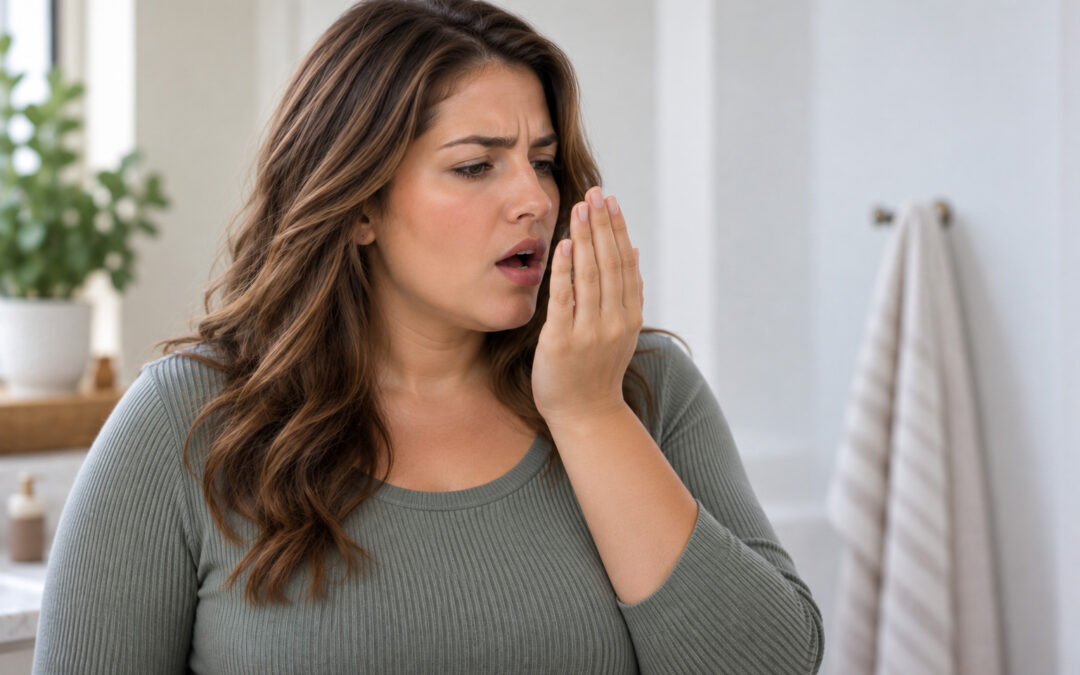
Dental changes and bad breath are two of the more surprising side effects people report, and they tend to share a common root cause: dry mouth.
GLP-1 medications slow digestion and reduce appetite, which means many people eat and drink less overall. Chewing helps stimulate saliva production, so eating less can mean producing less saliva. Saliva does more than keep your mouth comfortable. It washes away food particles and bacteria, neutralizes acids, and helps redeposit minerals that keep enamel strong. When saliva flow drops, bacteria and odor-causing compounds can build up more easily, which is a major contributor to bad breath.
Nausea, vomiting, and acid reflux, which are common side effects, especially when starting a GLP-1 medication or increasing the dose, add another layer of risk. Stomach acid is highly corrosive, and repeated exposure can gradually wear away tooth enamel. Once enamel is lost, it does not grow back, which is why some people notice increased sensitivity, more cavities, or even cracked teeth over time.
Managing These Side Effects in a Healthy Way
The good news is that most of these changes can be reduced with some straightforward habits.
Stay ahead of dehydration. Drink water consistently throughout the day rather than only at meals. Staying hydrated supports saliva production and can also help keep skin looking more supple as you lose weight.
Prioritize protein. Adequate protein intake helps preserve muscle and supports skin elasticity during weight loss. If your appetite is significantly reduced, talk with your healthcare provider here at Horizon about how to make the most of smaller meals.
Keep up with dental visits. Let your dentist know you are taking a GLP-1 medication. Regular cleanings and checkups make it much easier to catch enamel wear or gum irritation early, before it becomes a bigger problem.
Practice extra oral hygiene. Brushing twice daily with a fluoride toothpaste, flossing, and using a sugar-free gum or mint containing xylitol can help stimulate saliva flow between meals.
Lose weight at a steady pace. Rapid weight loss is more likely to outpace your skin’s ability to adjust. If facial changes are a concern, ask your provider whether your current dose and pace of weight loss are appropriate for your goals.
Don’t ignore vomiting or persistent reflux. These are common early side effects, but frequent vomiting can accelerate enamel damage and may also be a sign your dose needs adjusting. Let your provider know if it continues.
The Bottom Line
Terms like “Ozempic face,” “Ozempic teeth,” and “Ozempic breath” are catchy, but they describe real physiological effects of rapid weight loss and appetite suppression, not a flaw unique to any one medication. These changes are also not guaranteed. Many people take GLP-1 medications without experiencing noticeable dental or facial changes, and those who do often find that simple, proactive habits make a real difference.
If you are currently taking a GLP-1 medication, or considering one, talk with your Horizon Family Medical Group healthcare provider about what to expect and how to manage any side effects along the way. Together, you can build an approach that supports both your weight and your overall health, from your smile to your skin.