
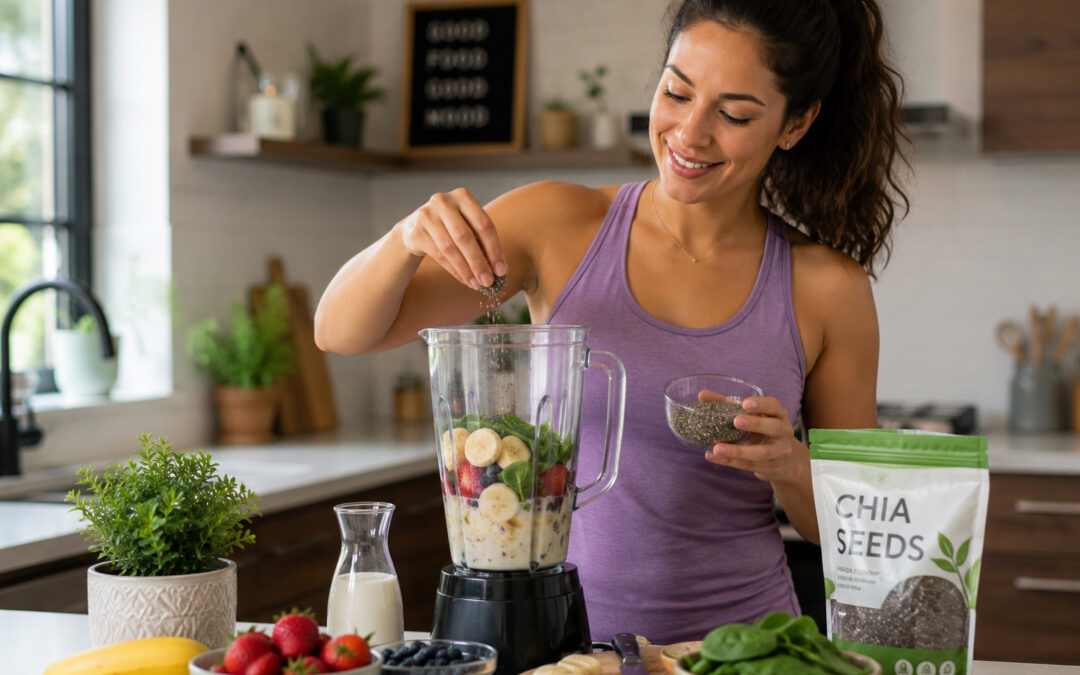
If you’ve spent any time on social media lately, you’ve probably seen videos promoting chia seeds as the latest health miracle. Influencers are adding them to smoothies, making chia puddings, stirring them into water, and even eating spoonfuls of dry chia seeds followed by a glass of water.
While chia seeds certainly deserve many of the compliments they receive, some of the viral trends surrounding them can be misleading and, in some cases, even unsafe.
The truth is that chia seeds are incredibly nutritious when consumed as part of a balanced diet. Like many healthy foods, however, more is not always better. Understanding how to enjoy chia seeds safely can help you reap their many health benefits while avoiding unnecessary digestive problems.
Why Chia Seeds Are So Popular
Chia seeds come from the Salvia hispanica plant, which is native to Central America. Although they are tiny, they contain an impressive amount of nutrition.
Just one ounce, or about two tablespoons, provides:
- Approximately 10 grams of fiber
- About 5 grams of protein
- Heart-healthy omega-3 fatty acids
- Calcium
- Magnesium
- Phosphorus
- Iron
- Antioxidants
These nutrients work together to support overall health and make chia seeds an easy addition to many meals.
Health Benefits of Chia Seeds
When eaten regularly as part of a healthy diet, chia seeds may provide several important health benefits.
Support Digestive Health
One of chia seeds’ biggest strengths is their fiber content. Fiber helps keep your digestive system moving regularly and supports healthy bowel function.
Fiber also feeds the beneficial bacteria that live in your gut. A healthy gut microbiome has been linked to improved digestion, immune function, and even overall wellness.
Because most Americans do not consume enough fiber, adding moderate amounts of chia seeds can help close that nutritional gap.
Help You Feel Full Longer
Chia seeds absorb many times their weight in liquid, forming a gel-like texture.
This slows digestion and helps many people feel satisfied for longer after eating. Feeling full longer may reduce unnecessary snacking and help support healthy weight management when combined with regular physical activity and balanced nutrition.
Promote Heart Health
Chia seeds are one of the richest plant sources of alpha-linolenic acid, or ALA, a type of omega-3 fatty acid.
Omega-3 fats play an important role in heart health and may help support healthy cholesterol levels and reduce inflammation throughout the body.
While plant-based omega-3s are not identical to those found in fish, they still contribute to a heart-healthy eating pattern.
Support Bone Health
Chia seeds contain several minerals that help maintain strong bones, including calcium, phosphorus, and magnesium.
Although dairy products remain one of the best sources of calcium, chia seeds can provide an additional nutritional boost, especially for individuals who consume little or no dairy.
Provide Antioxidants
Chia seeds naturally contain antioxidants that help protect cells from damage caused by unstable molecules known as free radicals.
A diet rich in antioxidant-containing foods may contribute to overall health and healthy aging.
Can You Eat Too Much?
Despite all of their benefits, it is possible to consume too much of a good thing.
Because chia seeds are extremely high in fiber, suddenly adding large amounts to your diet can cause:
- Bloating
- Gas
- Abdominal discomfort
- Constipation
- Diarrhea in some individuals
People who are not accustomed to eating high-fiber foods should introduce chia seeds gradually and increase their water intake as fiber consumption increases.
For most healthy adults, one to two tablespoons per day is plenty to enjoy their nutritional benefits.
Why Soaking Chia Seeds Is Often a Better Choice
One reason chia seeds have become so popular online is their remarkable ability to absorb liquid.
When soaked, the seeds develop a soft, gel-like coating that many people find easier to digest. Soaking also helps distribute the seeds evenly throughout foods like yogurt, smoothies, oatmeal, or pudding.
Some viral videos encourage people to swallow large amounts of dry chia seeds followed immediately by water. Healthcare professionals generally discourage this practice.
Dry chia seeds continue absorbing liquid after they are swallowed. In rare cases, especially for people who have difficulty swallowing or certain esophageal conditions, dry seeds can expand before reaching the stomach and create a choking hazard or become lodged in the esophagus.
Allowing chia seeds to soak first significantly reduces this risk while creating a more enjoyable texture.
A simple rule of thumb is to let chia seeds soak in water, milk, or another liquid for at least 15 to 30 minutes before eating them.
Easy Ways to Add Chia Seeds to Your Diet
Fortunately, incorporating chia seeds into your meals is simple.
Try adding them to:
- Yogurt
- Oatmeal
- Smoothies
- Overnight oats
- Homemade chia pudding
- Whole-grain cereal
- Salads
- Soups
- Homemade muffins or breads
Their mild flavor makes them easy to include without dramatically changing the taste of your favorite foods.
Who Should Be Cautious?
Although chia seeds are safe for most people, certain individuals should speak with their healthcare provider before making them a regular part of their diet.
People taking blood-thinning medications, medications for diabetes, or blood pressure medications may need guidance because chia seeds can modestly affect blood sugar levels and blood pressure in some individuals.
People with swallowing disorders, narrowing of the esophagus, or significant digestive conditions should also avoid consuming dry chia seeds and discuss appropriate use with their healthcare provider.
As with any food, individuals with known seed allergies should avoid chia seeds altogether.
Tiny Seeds, Big Benefits
Chia seeds have earned much of their reputation as a nutrient-dense food. They provide fiber, healthy fats, protein, minerals, and antioxidants in a remarkably small package. When consumed in moderation, they can be an excellent addition to a healthy eating pattern.
The key is to enjoy them sensibly. Start with small amounts, drink plenty of water, and consider soaking the seeds before eating them rather than following potentially risky social media trends.
At Horizon Family Medical Group, we encourage patients to focus on sustainable, evidence-based nutrition habits instead of viral health fads. If you have questions about whether chia seeds or other supplements fit into your personal health plan, our healthcare team is always here to help.