When it comes to protecting your long term health, skin cancer prevention deserves more attention than it often gets. Skin cancer is the most common type of cancer in the United States, but it is also one of the most preventable and treatable forms of cancer when caught early.
Many people assume skin cancer only affects individuals who spend hours tanning or living at the beach, but the reality is that anyone can develop skin cancer. Sun exposure accumulates over time, meaning years of everyday activities like driving, gardening, walking the dog, attending sporting events, or simply running errands can contribute to skin damage.
At Horizon Family Medical Group, we encourage patients to take a proactive approach to skin health through regular screenings, proper sunscreen use, and consistent sun protection habits.
Why Early Detection Matters
One of the most important reasons to schedule annual skin screenings is that early detection dramatically improves treatment outcomes.
Skin cancer often develops slowly and may begin as a small spot, mole, or patch of skin that changes over time. When identified early, many forms of skin cancer can be treated quickly and successfully before they spread or become more serious.
There are three main types of skin cancer:
Basal Cell Carcinoma
This is the most common form of skin cancer. It grows slowly and is often highly treatable when detected early.
Squamous Cell Carcinoma
This type can grow deeper into the skin and may spread if left untreated.
Melanoma
Melanoma is less common but more dangerous because it can spread to other parts of the body. Early diagnosis is critical.
The challenge is that skin cancer does not always look dramatic or painful in its early stages. Some spots may simply appear slightly different than the surrounding skin.
That is why annual screenings with a healthcare provider or dermatologist are so important, especially for individuals with risk factors such as:
- Fair skin
- Frequent sun exposure
- History of sunburns
- Family history of skin cancer
- Large numbers of moles
- Use of tanning beds
- Weakened immune system
What to Watch for at Home
In addition to professional screenings, regular self checks can help identify concerning changes early.
Pay attention to spots or moles that:
- Change in size, shape, or color
- Have uneven borders
- Become itchy, painful, or bleed
- Do not heal properly
- Look noticeably different from other spots
A common guideline is the ABCDE rule for melanoma:
- A for Asymmetry
- B for Border irregularity
- C for Color variation
- D for Diameter larger than a pencil eraser
- E for Evolving or changing appearance
If something seems unusual, it is always worth having it evaluated.
Sunscreen Is One of the Best Preventive Tools
One of the simplest and most effective ways to reduce skin cancer risk is proper sunscreen use.
Sunscreen helps protect the skin from ultraviolet radiation, also called UV rays, which damage skin cells and accelerate aging while increasing cancer risk.
Many people apply sunscreen only at the beach or pool, but UV exposure happens year round, even on cloudy days and during normal daily activities.
For the best protection, experts generally recommend:
- Broad spectrum sunscreen that protects against both UVA and UVB rays
- SPF 30 or higher
- Water resistant formulas for outdoor activity or sweating
Just as important as the type of sunscreen is how often it is applied.
How Often Should Sunscreen Be Reapplied?
One of the most common mistakes people make is applying sunscreen only once for the entire day.
To remain effective, sunscreen should generally be reapplied every two hours when outdoors. It should also be reapplied after:
- Swimming
- Sweating heavily
- Towel drying
- Extended outdoor activity
Even high SPF sunscreen wears off over time.
Most adults also do not apply enough sunscreen. A good rule of thumb is about one ounce, roughly enough to fill a shot glass, to cover the exposed areas of the body.
Do not forget commonly missed areas such as:
- Ears
- Neck
- Scalp or hairline
- Tops of feet
- Hands
- Lips
Daily sunscreen use is not just about preventing cancer. It also helps reduce premature aging, wrinkles, sunspots, and skin discoloration caused by UV damage.
Additional Ways to Protect Your Skin
While sunscreen is important, it works best when combined with other protective habits.
Helpful sun safety strategies include:
Seek Shade During Peak Sun Hours
UV rays are strongest between approximately 10 a.m. and 4 p.m.
Wear Protective Clothing
Long sleeves, hats with wide brims, and UV protective sunglasses offer additional defense.
Avoid Tanning Beds
Indoor tanning significantly increases the risk of skin cancer, including melanoma.
Protect Children Early
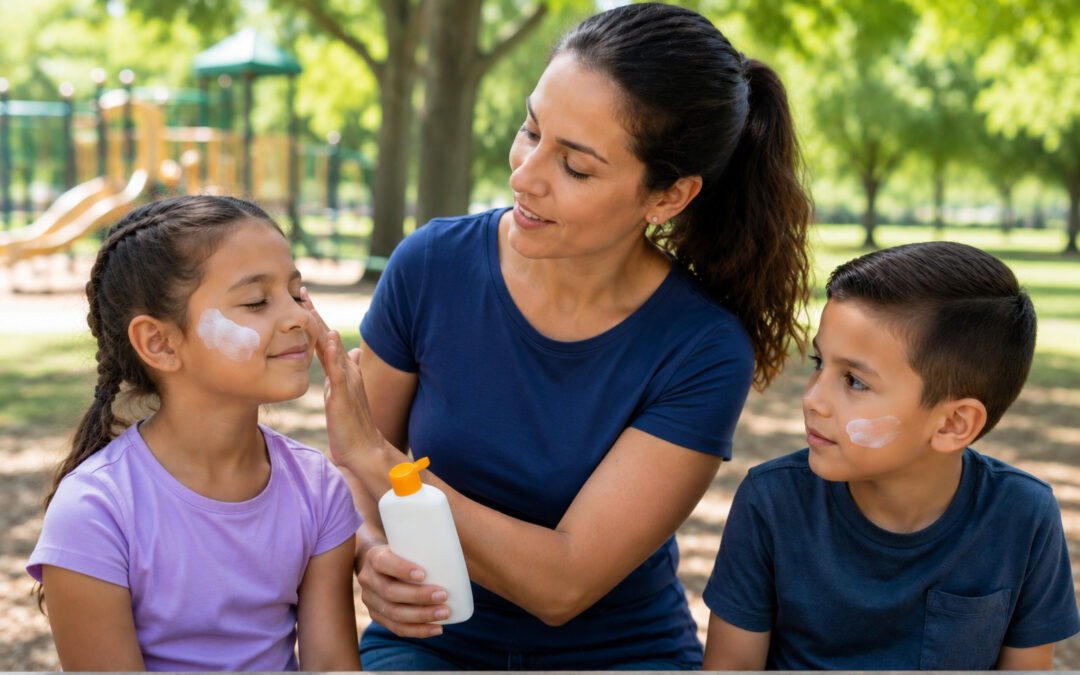
Sun damage during childhood can increase skin cancer risk later in life. Developing healthy sunscreen habits early matters.
Be Careful Around Reflective Surfaces
Water, snow, and sand can reflect UV rays and increase exposure.
Skin Cancer Can Affect Anyone
There is a common misconception that people with darker skin tones are not at risk for skin cancer. While individuals with lighter skin generally have higher risk, skin cancer can affect people of every skin tone and background.
Unfortunately, skin cancer in darker skin tones is sometimes diagnosed later because warning signs may be overlooked. Everyone benefits from routine skin awareness and screenings.
A Few Minutes Today Can Protect Your Future
Skin cancer prevention does not require extreme measures. Small, consistent habits can make a meaningful difference over time.
Applying sunscreen before heading outside, wearing protective clothing, checking your skin regularly, and scheduling annual screenings are simple steps that may help catch problems early or prevent them altogether.
At Horizon Family Medical Group, we encourage patients to make skin health part of their overall wellness routine. Protecting your skin today can help preserve your health for years to come.