Glaucoma is one of the leading causes of irreversible vision loss worldwide. What makes it especially dangerous is that it often develops slowly and without noticeable symptoms until permanent damage has already occurred. For many people, vision loss from glaucoma begins before they realize anything is wrong.
The good news is that glaucoma can often be detected early through routine eye testing and managed effectively with modern treatments. At Horizon Family Medical Group, we emphasize preventive care and early detection to help patients protect their eyesight and overall quality of life.
Book an Appointment
What Is Glaucoma?
Glaucoma is a group of eye conditions that damage the optic nerve. The optic nerve connects the eye to the brain and is essential for clear vision. Damage to this nerve is most commonly caused by increased pressure inside the eye, known as intraocular pressure.
There are several types of glaucoma, but the most common is open angle glaucoma. This form develops gradually and painlessly, often without early warning signs. Another type, angle closure glaucoma, is less common but can cause sudden symptoms and requires urgent treatment.
Once optic nerve damage occurs, it cannot be reversed. That is why early detection and ongoing management are so important.
Who Is at Risk for Glaucoma?
Anyone can develop glaucoma, but certain factors increase the risk. These include age over 40, a family history of glaucoma, elevated eye pressure, diabetes, high blood pressure, and certain ethnic backgrounds.
People who are nearsighted or farsighted, those who have had eye injuries, and individuals using long term steroid medications may also be at higher risk.
Because glaucoma often has no symptoms in its early stages, people at higher risk should be especially diligent about routine eye exams even if their vision seems normal.
Why Glaucoma Testing Matters
Glaucoma testing allows eye care professionals to detect changes before vision loss becomes noticeable. Regular testing can identify elevated eye pressure, optic nerve damage, or subtle vision changes that suggest glaucoma may be developing.
Early diagnosis allows treatment to begin sooner, which can significantly slow or stop progression of the disease. In many cases, people diagnosed early maintain good vision for life with proper care.
Testing is also important for monitoring individuals who already have glaucoma. Ongoing exams help determine whether treatment is working or needs adjustment.
Common Glaucoma Tests
Glaucoma testing usually involves several simple, painless exams performed during a comprehensive eye visit.
One common test measures intraocular pressure. This test checks the pressure inside the eye and helps identify whether it is higher than normal. Elevated pressure does not always mean glaucoma is present, but it is an important risk factor.
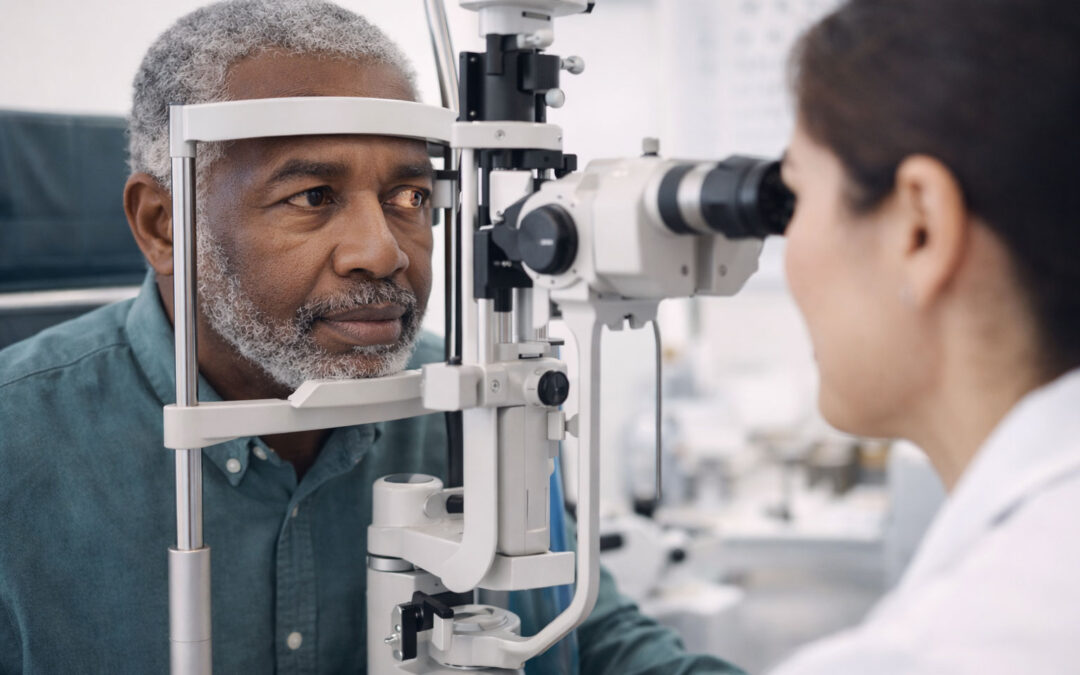
Another key test examines the optic nerve. Using specialized instruments, the eye doctor evaluates the shape and appearance of the optic nerve to look for signs of damage.
Visual field testing is also frequently used. This test measures peripheral vision, which is often affected first by glaucoma. Small changes in side vision can be detected long before a person notices them in daily life.
Additional imaging tests may be used to measure the thickness of the optic nerve fibers or to track changes over time.
How Often Should You Be Tested?
The recommended frequency of glaucoma testing depends on age, risk factors, and overall eye health. Many adults should have a comprehensive eye exam every one to two years. Those at higher risk may need testing more often.
Your primary care provider plays an important role in helping coordinate preventive care. At Horizon Family Medical Group, we help patients understand when eye exams are needed and provide referrals to eye specialists when appropriate.
Glaucoma Treatment Goals
The primary goal of glaucoma treatment is to lower eye pressure and prevent further damage to the optic nerve. While lost vision cannot be restored, treatment can significantly slow disease progression.
Treatment plans are individualized based on the type of glaucoma, severity, response to therapy, and overall health.
Most people with glaucoma require lifelong monitoring and management, but many are able to maintain functional vision with proper care.
Medications for Glaucoma
Eye drop medications are the most common initial treatment for glaucoma. These drops work by reducing the amount of fluid produced in the eye or improving fluid drainage, which lowers eye pressure.
Some patients need only one medication, while others may require a combination of drops. Consistency is critical, as missed doses can allow pressure to rise and cause further damage.
Your healthcare team can help address side effects, medication costs, and proper use to improve long term adherence.
Laser and Surgical Treatments
When medications are not sufficient or not well tolerated, laser or surgical treatments may be recommended.
Laser procedures can help improve fluid drainage from the eye and lower pressure. These procedures are often performed in an outpatient setting and may reduce the need for daily medications.
Surgical options create new drainage pathways or reduce fluid production. Surgery is typically reserved for more advanced cases or when other treatments have not achieved adequate pressure control.
Advances in surgical techniques have improved safety and outcomes for many patients.
Living With Glaucoma
A glaucoma diagnosis can feel overwhelming, but many people live full, active lives with the condition. Successful management depends on regular follow up, consistent treatment, and open communication with healthcare providers.
Lifestyle factors such as maintaining healthy blood pressure, managing diabetes, avoiding smoking, and protecting the eyes from injury can support overall eye health.
It is also important to inform all members of your healthcare team about your diagnosis, as some medications and conditions can affect eye pressure.
How Primary Care Supports Eye Health
While glaucoma is diagnosed and treated by eye specialists, primary care plays an essential supporting role. At Horizon Family Medical Group, we help patients manage related health conditions, coordinate referrals, and reinforce the importance of preventive screenings.
We also help patients understand their risk factors and encourage routine eye exams as part of comprehensive preventive care.
Protecting your vision is a lifelong commitment. With early testing, effective treatment, and coordinated care, glaucoma does not have to lead to vision loss. If you have questions about glaucoma testing, eye exam schedules, or referrals, our team is here to help you take the next step toward preserving your sight.